May 7, 2011
by Talin Suciyan
 Talin Suciyan
AGOS, 786
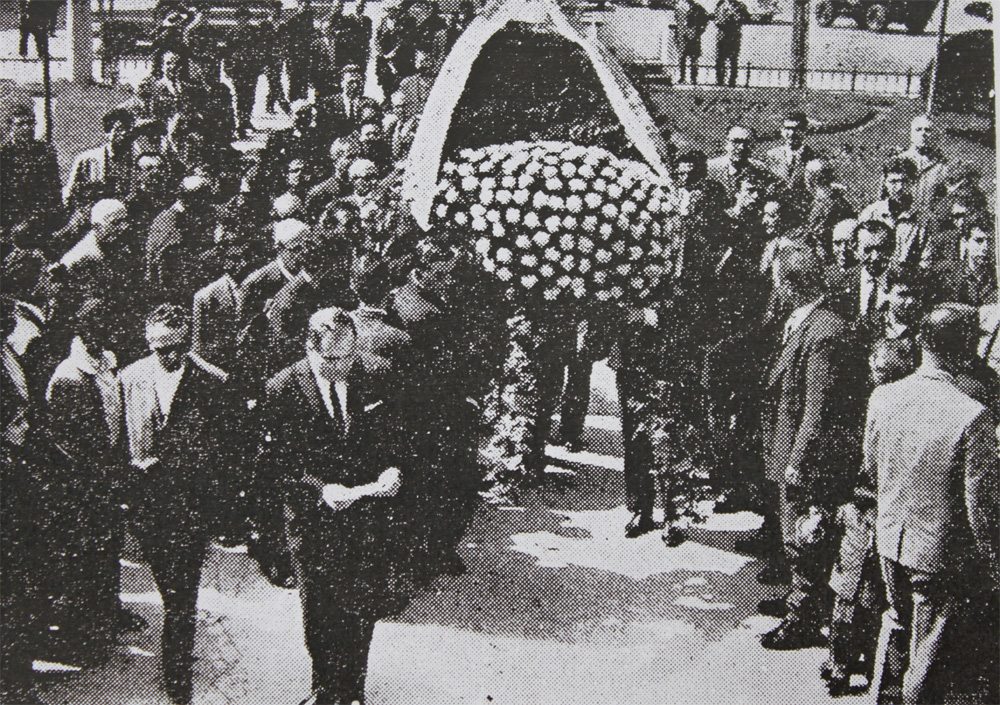
Varujan Köseyan’ı çocukluk yıllarımdan beri tanıyordum. Elinde fotoğraf makinesi, uzun saçları, büyük gözlükleriyle Kınalı Kampı’nın bir faaliyetinde karşılaştığımızı hatırlıyorum. Sonra da hep karşılaştık. Ama onunla dostluğumuz son iki yılda gelişti. Doktora çalışmamın arşiv araştırmasını yapmak için danışmaya gitmiştim hastanedeki odasına. Oturacak yer yoktu. Yatağının bir tarafı olduğu gibi yazılar, kitaplar, dosyalarla doluydu. Yatmak için kendine biraz yer açmıştı ama yatağın asıl sahibi kendisi değildi. Tuvalete doğru giden kısa ve dar bir arayı sağlı sollu günlük Ermenice gazetelerle doldurmuştu. Düşerse, bu Ermenice gazeteler kendisini koruyacaktı… Şaşırtıcı bir pratik zekaya ve hafızaya sahipti. Konuşurken de her şeyi söylemeden söylemenin ustasıydı. Yaz aylarında her gün çalışmaya gittiğim için, neredeyse her gün görüşüyorduk. Bu görüşmelerden birinde, ona kendi hayatını sormaya başladığımda, başlarda onun hayatının kimseyi ilgilendirmeyeceğini söyleyerek ayak diredi. Sonra sonra, anlatmaya karar verdi. Kimseye öyle doğrudan güvenecek göz yoktu onda. Zaman lâzımdı. Bir süre sonra birbirimize alıştık. Ben onun yalnızlığını, kızgınlıklarını, kırgınlıklarını anlamaya, o da benim toyluğumu, Cumhuriyet tarihiyle bir olan hayatının ortasına düşmüşken kendimi bulduğum acemiliği hoşgörüyle karşıladı. Ve konuşmaya karar verdi. Konuşmak, anlatmak istiyordu, neler yaşamış olduğu bilinsin istiyordu.
read more »
Posted in Armenian Politics, Politics, Turkish Politics |
4 Comments »
May 6, 2011
by Talin Suciyan
Talin Suciyan
First you made me into a tessera in your mosaic of cultures just to be able to put up with me. But soon you found that too static and then you resorted to the image of ebru. Whether an ebru or a tessera, you all agreed that I was ‘a color of Anatolia.’ Yet, I’m neither your ebru nor your tessera, nor am I a color of your Anatolia. I know that I can acquire a color only if I’m dead and gone, mute and traceless; more colorful I become as you further destroy my history.
read more »
Posted in Armenian Politics, A_A in ENGLISH, Politics, Turkish Politics |
Leave a Comment »
May 6, 2011
by Azad Alik
By Ayda Erbal and Talin Suciyan
The Armenian Weekly
April 2011 Magazine
The history of the Ottoman Armenians in the 19th century[1] is a history of great promises but also of greater abandonment. More than 200 Ottoman-Armenian intellectuals who were arrested the night of April 24, 1915 and the two weeks that followed possessed the damning knowledge that they were left alone. Zohrab’s Unionist friends, with whom he had dined and played cards, would choose not to stop his assassination. But abandonment will not abandon the Armenians. The survivors in the camps of Mesopotamia were alone, as were those hiding in the secluded mountains or villages of Anatolia. And those who survived through conversion or forced concubinage were left alone not only in the summer of 1915, but also in the hundred years that have followed.

The surviving Istanbul-Armenians who staged a book-burning ceremony were on their own
too.
[2] Compelled to imitate the Nazi party’s book-burning campaigns, they would gather in the backyard of Pangalti Armenian Church, build a book-burning altar, put Franz Werfel’s
The Forty Days of Musa Dagh, along with his picture on the altar, and burn it to the ground. As a last act of symbolic perversion forced upon them, they would not only denounce the author, but also denounce the book’s content, hence denouncing themselves and denying their own history.Hayganus Mark, Hagop Mintzuri, Aram Pehlivanyan, Zaven Biberyan, Vartan and Jak Ihmalyan, and the less famous all shared a similar fate, which happened to be that of Hrant Dink too: abandonment.
[3]For more see :
Posted in Armenian Politics, A_A in ENGLISH, Music, Politics, Turkish Politics, World Politics |
2 Comments »
April 27, 2011
by Talin Suciyan
http://vimeo.com/22839004
HRA Press Release
This old building, which serves now as the Turkish Islamic Arts Museum, is in fact the Ibrahim Pasha Palace which was used for long years as a prison.
This is the place where those arrested during the 24th April 1915 round-ups were kept before being sent to Haydarpasha train station to be taken into the inlands of Anatolia and from there to their death.
Today the websites of government departments, of the General Staff and other organisations loyal to the state tell a different story with exactly the same wording as if all were written by the same person. They say those arrested on the 24th of April were Armenian “Komitacis”, i.e. outlaws who were engaged in subversive activities against the state.
They all lie.
read more »
Posted in Armenian Politics, Politics, Turkish Politics |
Leave a Comment »
April 25, 2011
by Azad Alik
Ugur Ungor
“Leave all your belongings—your furniture, your beddings, your artifacts. Close your shops and businesses with everything inside. Your doors will be sealed with special stamps. On your return, you will get everything you left behind. Do not sell property or any expensive item. Buyers and sellers alike will be liable for legal action. Put your money in a bank in the name of a relative who is out of the country. Make a list of everything you own, including livestock, and give it to the specified official so that all your things can be returned to you later. You have ten days to comply with this ultimatum.”[1]
—Government promulgation hanged in public places in Kayseri, June 15, 1915.
For more see:
http://www.armenianweekly.com/2011/04/22/confiscation-and-colonization-the-young-turk-seizure-of-armenian-property/
Posted in Armenian Politics, A_A in ENGLISH, Economics, Kurdish Politics, Politics, Turkish Politics |
Leave a Comment »
 Ayda Erbal
 aysenbaylak
 Azad Alik
 AD
AD eminedeniz101
 emretoros
 Eren Barış
 gulseren adakli
 gunesasik
 Onur Yavuz
 ozge genc
 Talin Suciyan
 umuttumay
 Talin Suciyan